

Visual Workforce Blog

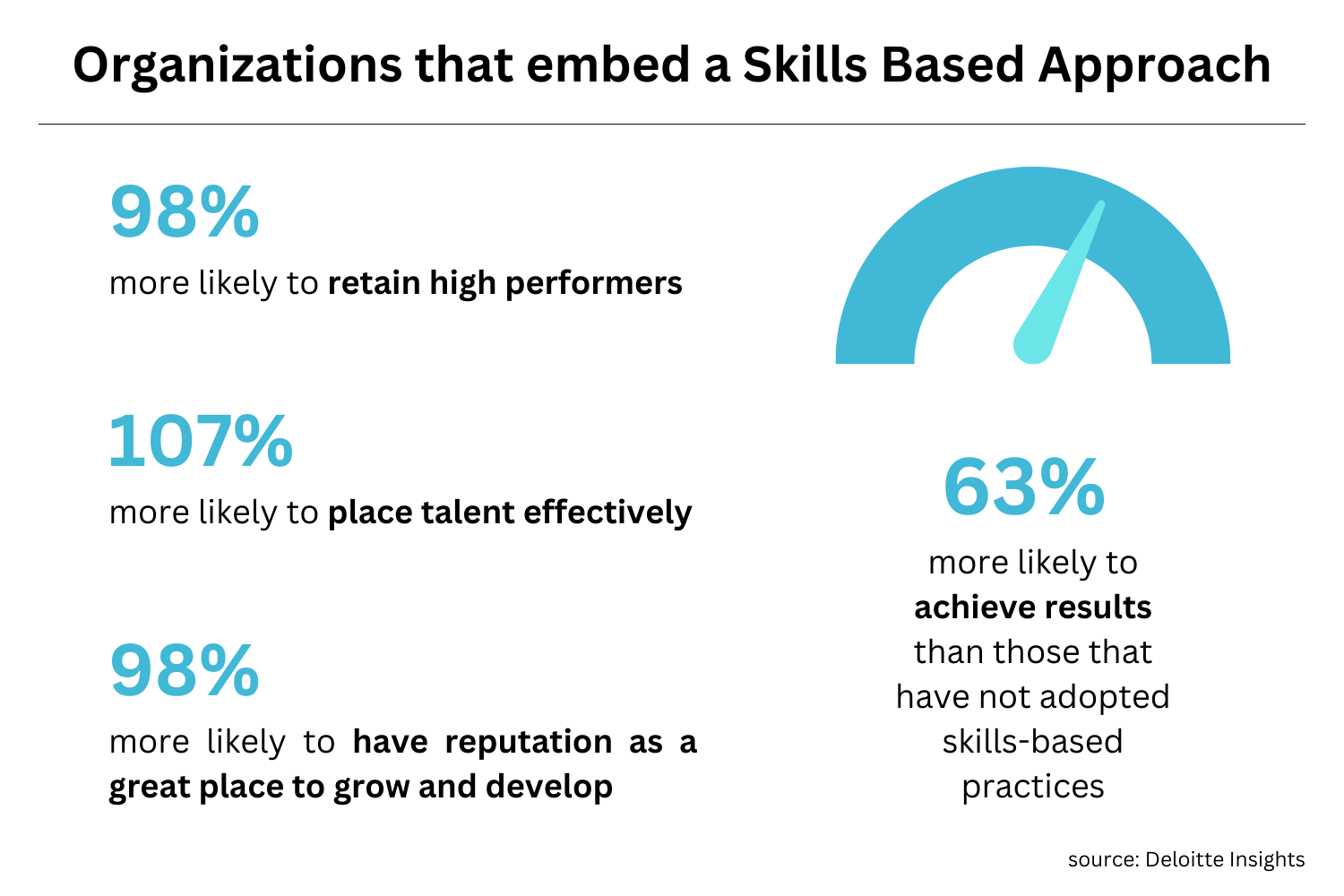
The Power of a Skills-First Organization
A Skills-Based Organization (SBO) revolutionizes workforce management by shifting focus from traditional job roles to individual skills. By leveraging a dynamic, skills-centric approach, SBOs enable organizations to Align Talent with Business Needs, Empower Employees, Optimize Workforce Efficiency, and Adapt to Change.

Internal Mobility: Unlocking Career Growth
94% of employees would stay at a company longer if it invested in their career development through internal mobility opportunities. This underscores the significant impact that internal mobility can have on employee retention and engagement. By providing opportunities for employees to grow within the organization, companies can foster a sense of loyalty and commitment, reducing turnover and associated costs.
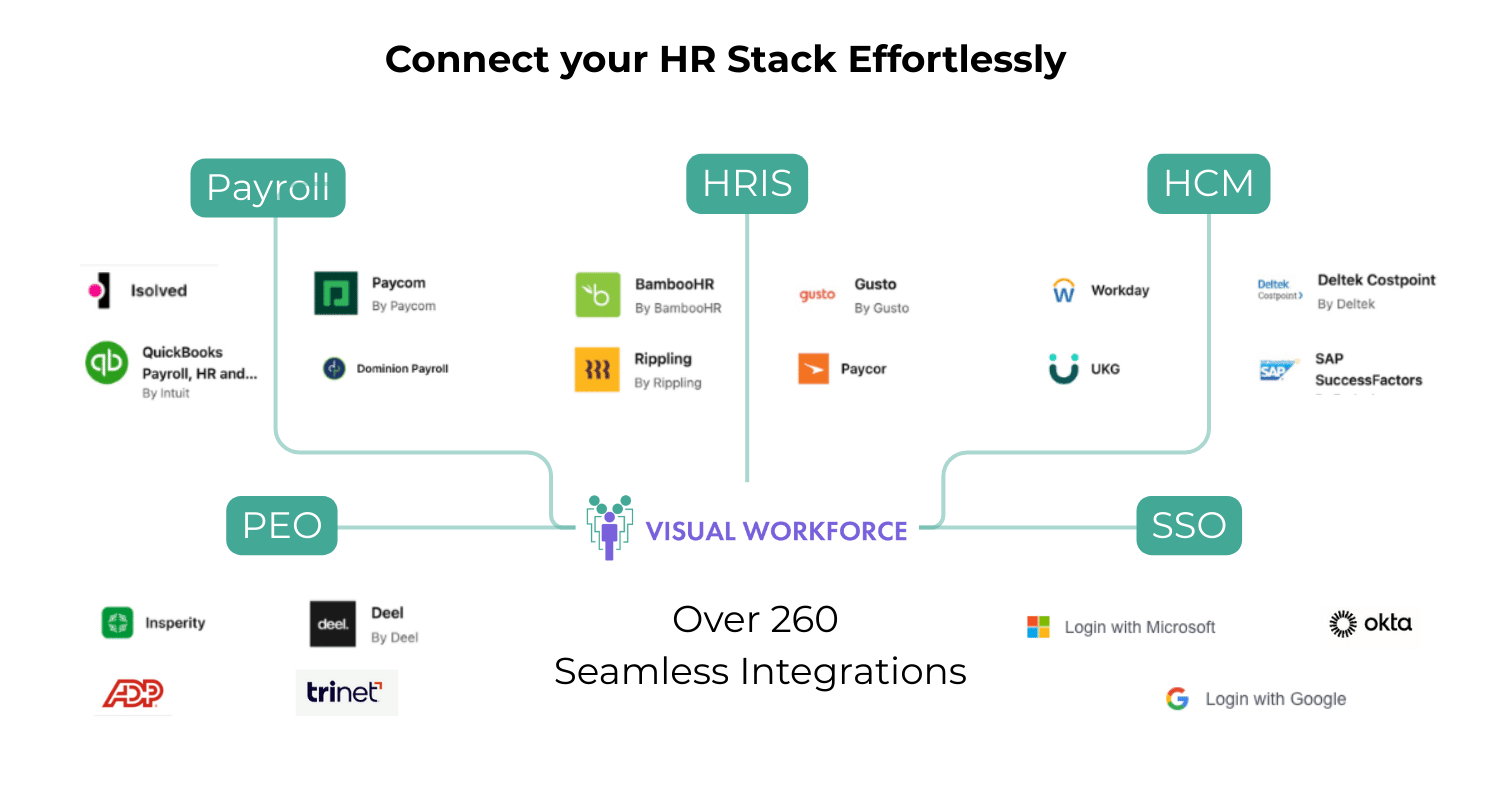
Visual Workforce HRIS Integrations - powering your workforce
Seamlessly integrating with your HR systems is crucial for streamlined HR operations. At Visual Workforce, we are integrated with over 250 of the leading HRIS and payroll platforms, ensuring a smooth and efficient flow of information across your organization.
Effortless Employee Data Synchronization
Our automated synchronization is self service, keeping you in control of your workforce data.
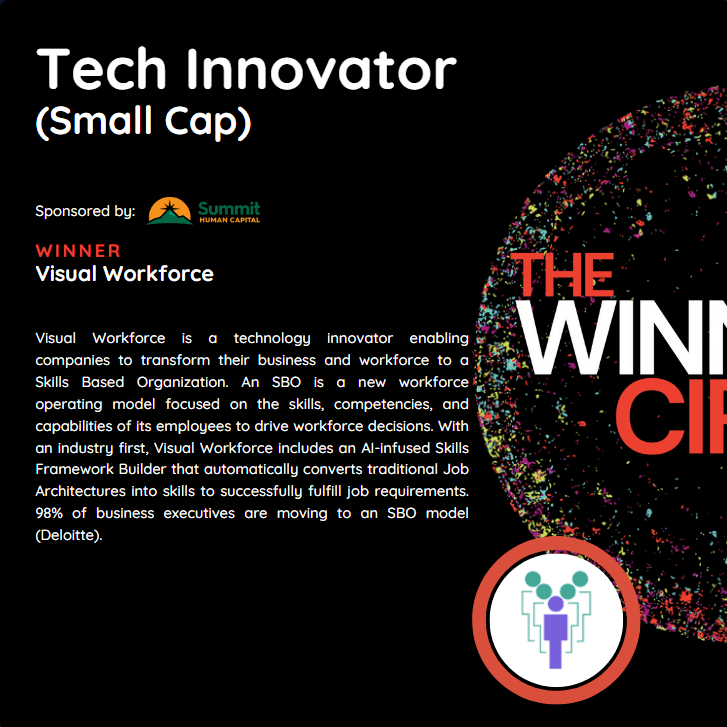
Visual Workforce Named Technology Innovator of the Year by RVA Technology Council
The RVA Technology Council Awards recognizes companies with exceptional creativity and innovation using technology to enhance processes, methodologies, and services.
Richmond, VA, September 2024—Visual Workforce, a leading provider of innovative workforce transformation solutions, has been recognized as the Technology Innovator in the Private Sector (Small Capital) category by the RVA Technology Council.

How Skills Planning Can Enhance M&A Synergies
Integrate Skills Inventory into the Virtual Data Room to gain a clear understanding of the workforce's skills. Bain's studies show its the path to successful outcomes.

Grow your Workforce Internally: 4 Key Reasons
Unlock the your internal talent: A Guide to Finding the Best Talent. 75% of companies reported experiencing talent shortages.
Introducing the Visual Workforce Skill and Proficiency Matrix
With Visual Workforce, there’s no need to manually build a stand-alone skills matrix in Excel ever again. Our smart, scalable Skill and Proficiency Matrix visualization delivers familiarity to long-time Excel users, while simultaneously leveraging the power, scalability, and integration of the Visual Workforce platform.

How Do You Build A Skills Matrix?
Unlock the Power of Skill Set Matrix: A Guide to Building Skills Matrix to optimize talent, enhance productivity, and drive innovation.

Why You Should Invest In Skills Planning
As we enter the digital age, how we conduct business is changing. Business leaders are rapidly adopting new technology and automation to drive greater operational efficiencies and win more business. We are also seeing major changes in the skills required to succeed in this digital environment, resulting in a growing skills gap for many industries.
How To Prioritize Human Capital in M&A Due Diligence
Mergers and Acquisitions are complex. Evaluating and deciding how two organizations will transform into a single successful venture requires comprehensive due diligence. This involves investigating everything from financial records to business models to intellectual property.
Yet, there’s one element of prospective companies that often gets deprioritized during this rigorous process. People.

Burning Questions: How Do We Know What Skills We Should Be Tracking?
Today we’re kicking off a new series here on the Visual Workforce blog. It’s called Burning Questions and it’s focused on answering the questions we hear most commonly when we speak with HR professionals and organizational leaders who are embarking on skills management initiatives.
This week we’re tackling a question that’s fundamental to any skills management program: “How do we know what skills we should be tracking?” It’s a tricky one and the answer will vary from company to company (and even from team to team), but we’ve got some tips to get you started.
Why Your Company Needs A Standard Skills Vocabulary
In the complex nature of business, managers work hard to simplify the execution of everyday business processes. But, what about simplifying communication via a common language?
In today’s economy where the way we work is drastically changing, skills are becoming the new currency of business. As with any currency, it’s important to be able to measure your current balance in order to forecast future needs. And when multiple people are involved, a standard vocabulary makes collaboration on this effort quick, easy, and actionable.
Why Internal Mobility is More Than an HR Term
In 2021, talent shortages are at a 15-year high. Finding top talent that is proficient in the skills of tomorrow is difficult for many companies.
Some companies recognize this modern recruiting challenge and are shifting their approach to how they hire. Instead of searching for new employees outside the company, savvy managers are looking in their own backyard to fill the talent void.
This approach is called Internal Mobility.

Crossing The Talent Management Chasm With Skills Data
The word chasm is defined as a profound difference between two things. When referring to talent management, the chasm exists between the identified, existing skills of your workforce and the required, future skills of your workforce.
Today, using traditional methods to cross the chasm is not sufficient. Factors such as the rapid evolution of technology and the lack of available skilled workers have upended the labor laws of supply and demand.

Top 5 Skills Needed For Cloud Transformation
Discover the essential skills matrix your workforce needs for successful cloud transformation. Learn how to prepare your team for the future of tech and avoid costly delays in your digital journey
Track Skills: A Guide to Measuring Hard and Soft Skills in Your Team
As a business manager, you are constantly looking for optimal combinations of the various skills and capabilities of your workforce. You recruit and train based on specific requirements that will help you meet your business objectives. You build teams based on strengths and weaknesses that will produce the best performance.
You don’t just manage people, you manage and track skills. Therefore, you need to keep close tabs on your workforce’s current skills and capabilities in order to make effective, timely business decisions.